

Compare Calcium, Vitamin D and Vitamin K Supplements
Calcium, vitamin D and vitamin K
Bones: 335 products in our catalog
Tap a photo for our review when we have one; “View offer” opens the seller’s website; “View on Amazon” opens Amazon.com.
- Amazon
 Sports Research® Vegan Vitamin D3 + K2 w/Coconut Oil, 60 Count Plantgels™View on Amazon
- Amazon
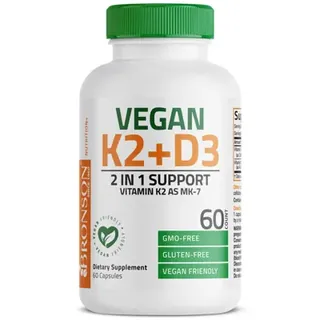 Bronson Vitamin K2 D3 (MK7) Supplement 2-in-1 D3 & K2 Complex, 60 CapsulesView on Amazon
- Amazon
 Now Supplements, Vitamin D-3 & K-2, 1,000 IU/45 mcg, 120 Veg CapsView on Amazon
- Amazon
 Citracal Slow Release- Calcium 1200 mg with Vitamin D3, Magnesium, Calcium Supplement, Bone Health Support, Take Once Daily Caplet, 185 CountView on Amazon
- Amazon
 Vitamin D3 K2 5000 IU 120mcg Magnesium Zinc B6 Quercetin Capsules 120 CountView on Amazon
- Amazon
 Citracal Maximum Plus Calcium Supplement - Calcium Citrate with Vitamin D3, Zinc, & Essential Minerals for Bone Health Support, Ages 12+, 180 Count (Packaging May Vary)View on Amazon
- Amazon
 Metagenics Vitamin D3 5000 + K2, MK-7 Bone Support, 60 SoftgelsView on Amazon
- Amazon
 Pure Encapsulations Calcium (Citrate), 180 CapsulesView on Amazon
- Amazon
 Citracal Petites- Calcium Citrate with Vitamin D3, Bone Health Support, Calcium Supplement for Ages 12+, 375 Count (Packaging May Vary)View on Amazon
- Amazon
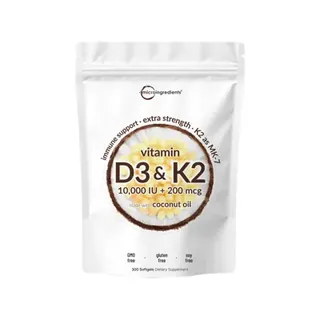 Micro Ingredients Vitamin D3 + K2 MK-7 5,000 IU Per Serving, 300 SoftgelsView on Amazon
- Amazon
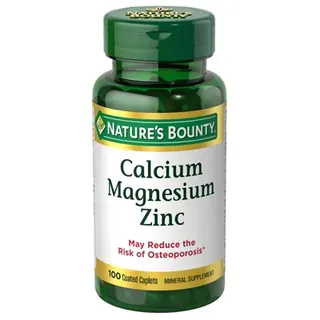 Nature's Bounty Calcium Magnesium & Zinc Caplets, 100 CountView on Amazon
- Amazon
 Viactiv Calcium + Vitamin D Supplement Soft Chews, 60 Count, CaramelView on Amazon
- Amazon
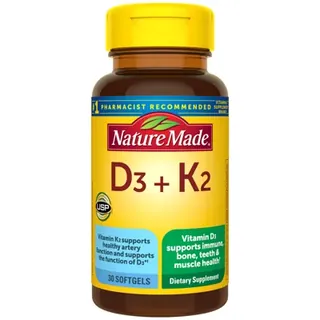 Nature Made Vitamin D3 K2 Gummies, 50 Gummy VitaminsView on Amazon
- Amazon
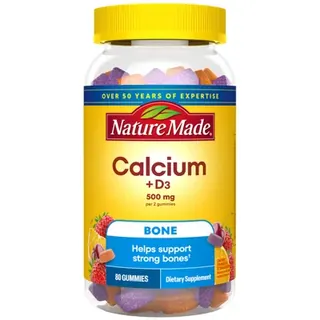 Nature Made Calcium Gummies 500 mg per Serving with Vitamin D3, 80 GummiesView on Amazon
- Amazon
 Nusava Organic Vitamin D3 K2 Drops with MCT Oil, Unflavored, Pack of 2View on Amazon
- Amazon
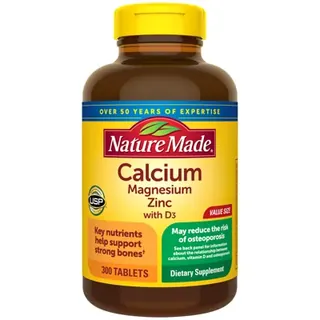 Nature Made Calcium Magnesium Zinc with Vitamin D3, 300 TabletsView on Amazon
- Amazon
 Thorne Vitamin D + K2 Liquid with a Metered Dispenser, 600 ServingsView on Amazon
- Amazon
 VITBOOST Vitamin D3 K2 Complex - 5000 IU (125 mcg) D3 & K2 (MK-7) 90 mcgView on Amazon
- Amazon
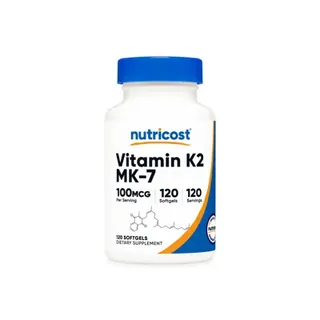 Nutricost Vitamin K2 MK-7 100 mcg, 240 Softgels, Gluten Free, GMO-FreeView on Amazon
- Amazon
 Life Extension Super K, Vitamin K1 and K2, 90 SoftgelsView on Amazon
- Amazon
 Caltrate Minis 600 Plus D3 Vitamin D and Calcium Supplement Tablets, 150 CtView on Amazon
- Amazon
 VEV Corefeel Vitamin D3 K2 10,000 IU Magnesium Supplement, 300 SoftgelsView on Amazon
- Amazon
 New Chapter Bone Strength Take Care Organic Calcium D3 K2, 120 Slim TabsView on Amazon
- Amazon
 Caltrate Chewables 600 Plus D3 Vitamin D and Calcium Supplement, 155 countView on Amazon
- Amazon
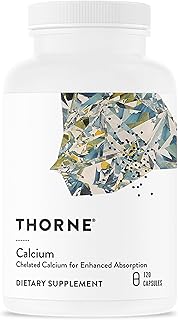 THORNE Calcium, Chelated DiCalcium Malate Supplement, 120 CapsulesView on Amazon
- Amazon
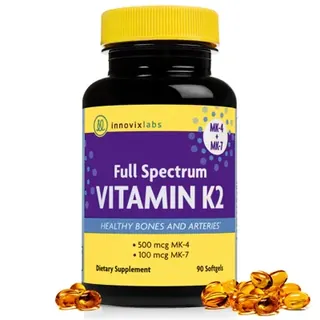 InnovixLabs Full Spectrum Vitamin K2 MK7 + MK4, 600 mcg (90 Softgels)View on Amazon
- Amazon
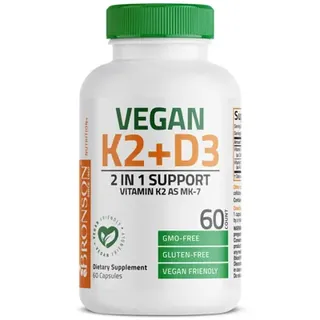 Bronson Vitamin K2 D3 (MK7) Extra Strength D3 & K2 Complex, 120 CapsulesView on Amazon
- Amazon
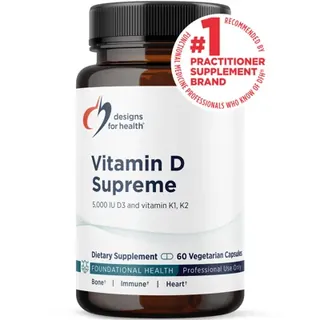 Designs for Health Vitamin D Supreme, D3 + K2 Enhanced, 60 CapsulesView on Amazon
- Amazon
 Vitamin D3 K2 - Vitamin D3 10000 iu & K2 as MK-7 120 mcg Complex - 120 CapsView on Amazon
- Amazon
 NOW Supplements, Vitamin K-2 100 mcg, Menaquinone-4 (MK-4), 100 Veg CapsView on Amazon
- Amazon
 Pure Encapsulations Boron (Glycinate), 60 CapsulesView on Amazon
- Amazon
 ALGAECAL Plus Calcium Supplement for Bone Density, with D3 K2, 120 CapsView on Amazon
- Amazon
 Calciven Natural Bone Support Supplement, Vegetarian, Gluten-FreeView on Amazon
- Amazon
 Citracal Petites, 400 mg Calcium Citrate, Easily Absorbed and Highly Soluble with 12.5 mcg (500 IU) Vitamin D3, Smaller and Easier to Swallow Caplets, 200 CountView on Amazon
- Amazon
 Nature's Bounty Calcium Carbonate & Vitamin D, 250 TabletsView on Amazon
- Amazon
 NOW Supplements, MK-7 Vitamin K-2 100 mcg, 120 Veg CapsView on Amazon
- Amazon
 THORNE Vitamin K, Vitamins K1 and K2 (as MK-4 and MK-7), 60 CapsulesView on Amazon
- Amazon
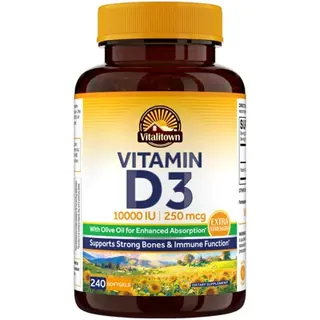 Vitalitown Vitamin D3 K2, D3 10000 IU, K2 (MK7) 200mcg, 90 SoftgelsView on Amazon
- Amazon
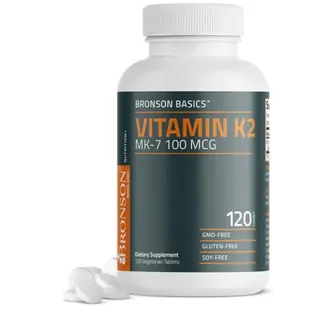 Bronson Vitamin K2 MK-7 100 mcg, K2 as MK7 Menaquinone, 120 TabletsView on Amazon
- Amazon
 Life Extension Vitamin D3 125 mcg (5000 IU), Bone Health, 60 SoftgelsView on Amazon
- Amazon
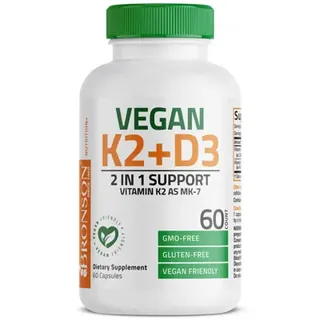 Bronson Vitamin K2 MK-7 + D3 10,000 IU Extra Strength, 120 TabletsView on Amazon
- Amazon
 VEV Vitamin D3 K2 10,000 IU, 200 mcg K2, 300 Coconut Oil SoftgelsView on Amazon
- Amazon
 Bronson Calcium 1200 mg + Vitamin D3 1000 IU for Bone Health, 120 TabletsView on AmazonRead the review
- Amazon
 Now Supplements, Mega D-3 & MK-7, 5000 IU / 180 mcg, 120 CapsView on Amazon
- Amazon
 21st Century Calcium 600mg Tablets, Bone Strength Support, 400 CountView on Amazon
- Amazon
 Life Extension Bone Restore with Vitamin K2, Strong Bones, 120 CapsulesView on Amazon
- Amazon
 Nutricost Boron Capsules 10mg, 240 Vegetarian Capsules, Gluten FreeView on AmazonRead the review
- Amazon
 Osteo Bi-Flex One Per Day Vitamin D Supplement, 60 Coated TabletsView on Amazon
- Amazon
 Sports Research® Vitamin K2 as MK-7 100mcg, 60 Count Plantgels™View on Amazon
- Amazon
 Nordic Naturals Vitamin D3 + K2, 2000 IU D3, Orange - 60 SoftgelsView on Amazon
- Amazon
 PrimeMD 4-in-1 Calcium 600mg, Vitamin D3 K2 5000IU, Vegan, 120ctView on Amazon
- Amazon
 BulkSupplements.com Vitamin D3 + K2 Softgels - 365 Count (Pack of 1)View on Amazon
- Amazon
 Horbäach Triple Boron Complex 6 mg Supplement | 300 TabletsView on Amazon
- Amazon
 Horbäach Vitamin D3 K2 5000 iu | 100mcg MK-7 Complex | 180 Softgel CapsulesView on Amazon
- Amazon
 Bronson Vitamin K2 D3 (MK7) Supplement 2-in-1 D3 & K2 Complex, 120 TabletsView on AmazonRead the review
- Amazon
 MARYRUTH'S Vitamin D3 K2 Calcium Gummies, Bone Health, 2 Month Supply, 60ctView on Amazon
- Amazon
 NATURELO 600mg Calcium Supplement for Bone Strength, VIT D3, 120 CapsulesView on Amazon
- Amazon
 Nature’s Way Alive! Chewable Calcium Gummies with Vitamin D3, 60 ctView on Amazon
- Amazon
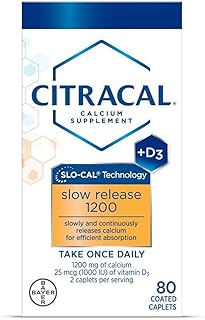 Citracal Slow Release- Calcium 1200 mg with Vitamin D3, Magnesium, Calcium Supplement, Bone Health Support, Take Once Daily Caplet, 80 CountView on Amazon
- Amazon
 Caltrate Chewables 600 Plus D3 Vitamin D and Calcium Supplement, 60 CountView on Amazon
- Amazon
 Nature Made Calcium 500 mg with Vitamin D3 for Bone Support, 130 TabletsView on AmazonRead the review
- Amazon
 Integrative Therapeutics K2 + D3 Supplement, 60 CountView on Amazon
- Amazon
 Peak Health Research Calcium Supplement with D3, K2 & AquaminView on Amazon
- Amazon
 Caltrate Gummy Bites 600 Plus D3 Vitamin D and Calcium Supplement, 100 CtView on Amazon
- Amazon
 SOLARAY Vitamin D3 K2 Capsules, 60 VegCapsView on Amazon
- Amazon
 Vitamatic Vitamin D3 + K2 Gummies 60 CountView on Amazon
- Amazon
 Sports Research® Vegan Vitamin D3 + K2 Gummies, 60 CountView on Amazon
- Amazon
 Vitamin D3 + K2 Seeking Health - 60 Vegetarian CapsulesView on Amazon
- Amazon
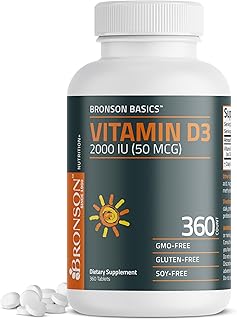 Bronson Vitamin D3 2000 IU (50 mcg) for Bone Health, 360 TabletsView on Amazon
- Amazon
 Bio Boron, Bone, Joint & Immune Support, 10mg, 90 CapsulesView on Amazon
- Amazon
 Micro Ingredients Vitamin D3 5,000 IU + K2 MK-7 100 mcg, 300 Softgels | Virgin Coconut Oil | 2-in-1 Support | Easy to Swallow, Non-GMOView on Amazon
- Amazon
 AlgaeCal Plant Based Calcium Supplement for Bone Strength, 90 Caps, 1 PackView on Amazon
- Amazon
 Citracal Maximum Plus Calcium Supplement - Calcium Citrate with Vitamin D3, Zinc, & Essential Minerals for Bone Health Support, Ages 12+, 120 Count (Packaging May Vary)View on Amazon
- Amazon
 Bluebonnet Nutrition Liquid Calcium Citrate Magnesium Citrate, Vitamin D3, Bone Health, Gluten Free, Soy free, milk free, kosher,32 Servings, Blueberry Flavor, 16 Fl Oz (Pack of 1)View on Amazon
- Amazon
 NOW Supplements, Calcium Citrate Powder, Supports Bone Health*, 8 ozView on Amazon
- Amazon
 NOW Supplements, Calcium Hydroxyapatite, Supports Bone Health*, 120 CapsView on Amazon
- Amazon
 Bronson Vitamin K Triple Play Full Spectrum K1 & K2 MK-4/MK-7, 180 CapsulesView on Amazon
- Amazon
 NatureGenX ADK Vitamin Supplement - Vitamins A, D3 & K2 MK-7View on Amazon
- Amazon
 Bariatric Fusion Calcium Soft Chews, Caramel, 60 CountView on Amazon
- Amazon
 ALGAECAL Bone Builder Pack, Calcium + Strontium for Bone Density, 1 MonthView on Amazon
- Amazon
 1MD Nutrition OsteoMD for Comprehensive Support - Supplement for Women and Men - Promote Density w/Vitamin D - Hydroxyapatite w/Vitamin D3 & K2-90 CapsulesView on Amazon
- Amazon
 InnovixLabs D3 K2 Vitamin 5000 IU Supplement with Vitamin A (60 Softgels)View on Amazon
- Amazon
 Trace Minerals Liquid Vitamin D3 + K2 Supplement, 5000 IU, 2 fl ozView on Amazon
- Amazon
 Luma Nutrition Vitamin D3 K2 Supplement 10,000 IU - 60 SoftgelsView on Amazon
- Amazon
 BienRaíz Vitamin D3 K2 5,000 IU, All-Trans MK-7 100 mcg, 120 SoftgelsView on Amazon
This aisle gathers the 73 bone-focused products in our United States catalog: plain calcium tablets, calcium paired with vitamin D3, D3 combined with vitamin K2, K2 on its own, and a few boron capsules. Nearly all of them are sold on Amazon, so each card opens the Amazon listing rather than a review page.
Vitarrow does not make, sell or test any of these products. What we add is the NIH context a label leaves out: how much calcium adults are told to get, where the safe upper limits sit, which forms need food, and why vitamin K matters to anyone on a blood thinner.
Food comes first. Dairy, fortified plant drinks, canned fish with bones and leafy greens all count toward the daily calcium total, so a supplement is meant to fill a gap, not to double what you already eat. Nothing here is medical advice.
On this page: calcium amounts · vitamin D limits · vitamin K and warfarin · boron · questions
How much calcium an adult needs, and the ceiling
NIH's Office of Dietary Supplements sets the daily amounts below for food and supplements combined (ODS). The upper limit is the most you should take in a day, counting everything you eat.
| Who | Recommended per day | Upper limit per day |
|---|---|---|
| Adults 19 to 50 | 1,000 mg | 2,500 mg |
| Women 51 to 70 | 1,200 mg | 2,000 mg |
| Men 51 to 70 | 1,000 mg | 2,000 mg |
| Everyone 71 and older | 1,200 mg | 2,000 mg |
- Split the dose. ODS says the body absorbs calcium most efficiently in amounts of 500 mg or less at a time, so a 1,200 mg tablet does less than two smaller doses taken apart.
- Carbonate or citrate. Calcium carbonate needs food to be absorbed well; calcium citrate is absorbed well with or without it. Of the 28 calcium listings here, 5 name citrate in the title.
- Side effects. ODS lists gas, bloating and constipation from calcium supplements, and too much calcium can raise the risk of kidney stones.
- Medicines. Calcium can interact with some antibiotics, bisphosphonates for osteoporosis, thyroid hormone (levothyroxine) and certain diuretics, so ask a pharmacist about timing.
Vitamin D: the amount on many labels is above the limit
Vitamin D helps the body absorb calcium. ODS recommends 600 IU (15 mcg) a day for people aged 1 to 70 and 800 IU (20 mcg) from age 71, with an upper limit of 4,000 IU (100 mcg) a day from age 9 (ODS).
In this aisle, 54 titles mention vitamin D. Of those, 8 state 5,000 IU and 5 state 10,000 IU per serving, both above that 4,000 IU limit. A doctor may prescribe more to correct a measured deficiency; without that, a lower strength fits the ODS numbers. ODS adds that vitamin D2 and D3 both raise blood levels, with D3 possibly raising them higher and for longer.
Very high intakes can cause nausea, vomiting, muscle weakness, confusion and kidney stones, according to the same fact sheet.
Vitamin K2, MK-4, MK-7 and the warfarin warning
ODS sets an adequate intake of 120 mcg a day for men and 90 mcg for women and has no upper limit for vitamin K (ODS). Supplements use vitamin K1 (phylloquinone) or K2 (menaquinones such as MK-4 and MK-7); 42 titles in this aisle name K2, MK-7 or vitamin K, and 3 name MK-4.
The one warning that matters most: vitamin K can interact with warfarin (Coumadin), a blood thinner, and ODS tells people on it to keep their vitamin K intake steady. A D3 and K2 combination is not a casual add-on for anyone on that medicine; talk to the prescriber first.
On bones, ODS notes that some studies link diets richer in vitamin K to stronger bones, while trials of vitamin K supplements have been less clear.
Boron capsules
4 boron listings sit in this aisle, at 6 mg and 10 mg per serving in the product names. ODS has no recommended intake for boron, and its fact sheet for health professionals sets an upper limit of 20 mg a day for adults (ODS). Boron is in fruit, vegetables, nuts and beans, so the label amount adds to what you already eat.
MedlinePlus describes osteoporosis as bones becoming weak and more likely to break, and lists calcium, vitamin D, exercise and, for many people, medicine as the ways to protect bone (MedlinePlus). A bone density test, not a supplement label, tells you where you stand.
Reading a bone supplement label
| What to find | Where it is | Why it matters |
|---|---|---|
| Elemental calcium | Supplement Facts, per serving | The number you add to food calcium; the compound weight (for example, calcium carbonate) is larger |
| Servings per container | First lines of the panel | Two tablets a day halve how long a bottle lasts |
| Price per bottle and per serving | Seller page or the Amazon listing | Divide the bottle price by servings to compare a 60-count with a 400-count |
| Vitamin D in IU and mcg | Supplement Facts | Check it against the 4,000 IU adult upper limit |
| Vitamin K form | Ingredient line | K1, MK-4 and MK-7 differ; all matter with warfarin |
Words such as "bone strength", "bone support" or "highly absorbable" on the front of a bottle are brand claims. They are not findings from NIH, and we do not repeat them as facts.
Buying from this aisle on Amazon
Product names and photos were recorded on November 17, 2026 from amazon.com listings. Amazon prices change often, so we do not quote them; the listing shows today's price and the size you are buying.
- Returns: orders placed on Amazon follow Amazon's return policy; start a return from Your Orders or contact Amazon customer service. Some brands also run their own money-back guarantee on their own store, with a refund window that varies by brand.
- Subscriptions: Subscribe & Save is optional on Amazon; a one-time purchase avoids repeat deliveries.
- Where can I buy these? On Amazon through the cards above, at pharmacies, or on the brand's site.
Bone products we have reviewed
These reviews stay in the aisle where they were first published; each one reads the label, sizes and refund terms in full:
- Healthletic Bones
- Dr. Berg 7-in-1 Vitamin D3 K2 5000 IU
- Nutricost Vitamin D3 + K2 (5000 IU D3 / 100mcg MK7) 120 Softgels
- Nature's Bounty Calcium 1200mg with 1000 IU Vitamin D3
- Nature's Bounty Vitamin D3 2000 IU Essential for Healthy Bones 350 Softgels
- Micro Ingredients Vitamin D3 K2 MK-7 10
- Nature Made Calcium 600 mg with Vitamin D3 for Bone Support
- Vitafusion Calcium Gummies 500 mg Per 2 Gummies with Vitamin D3
- Nature Made Vitamin K2 100 mcg
- Caltrate 600 Plus D3 Vitamin D and Calcium Supplement Tablets
- Organics Ocean Better D3+K2 Vitamin Supplement
To set two of them side by side, use the comparison hub.
Bones questions people ask
How much calcium should I take a day?
ODS recommends 1,000 mg a day for most adults and 1,200 mg for women over 50 and everyone over 70, counting food and supplements together.
Is it safe to take vitamin D3 and K2 together?
For most adults the two are sold together without a known problem, but vitamin K interacts with warfarin, so anyone on that blood thinner should ask the prescriber first.
Is 5,000 IU of vitamin D3 too much?
It is above the 4,000 IU daily upper limit ODS sets for adults. Take it only if a doctor recommends that amount, for example after a blood test.
Should calcium be taken with food?
Calcium carbonate needs food to be absorbed well. Calcium citrate is absorbed well with or without food, and ODS advises 500 mg or less at a time.
What is the upper limit for boron?
The ODS fact sheet for health professionals sets an upper limit of 20 mg of boron a day for adults.
How this guide was put together
How we worked: on November 17, 2026 we grouped the calcium, vitamin D3 plus K2, vitamin K and boron listings in our Amazon catalog under this aisle and counted forms and strengths from the product names. Health facts come from NIH ODS fact sheets on calcium, vitamin D, vitamin K and boron and from MedlinePlus on osteoporosis. We have not tested these products and do not rank them.
Everything we list under this concern
- Sports Research® Vegan Vitamin D3 + K2 w/Coconut Oil, 60 Count Plantgels™ · AmazonA vitamin D3 supplement. Adults need 15 to 20 mcg (600 to 800 IU) a day.
- Bronson Vitamin K2 D3 (MK7) Supplement 2-in-1 D3 & K2 Complex, 60 Capsules · AmazonA vitamin D3 supplement. Adults need 15 to 20 mcg (600 to 800 IU) a day.Capsules · Check today’s price on Amazon
- Now Supplements, Vitamin D-3 & K-2, 1,000 IU/45 mcg, 120 Veg Caps · AmazonA vitamin D3 supplement. Adults need 15 to 20 mcg (600 to 800 IU) a day.Capsules · Check today’s price on Amazon
- Citracal Slow Release- Calcium 1200 mg with Vitamin D3, Magnesium, Calcium Supplement, Bone Health Support, Take Once Daily Caplet, 185 Count · AmazonA magnesium supplement. The label should show the elemental magnesium per serving.Tablets · Check today’s price on Amazon
- Vitamin D3 K2 5000 IU 120mcg Magnesium Zinc B6 Quercetin Capsules 120 Count · AmazonA magnesium supplement. The label should show the elemental magnesium per serving.Capsules · Check today’s price on Amazon
- Citracal Maximum Plus Calcium Supplement - Calcium Citrate with Vitamin D3, Zinc, & Essential Minerals for Bone Health Support, Ages 12+, 180 Count (Packaging May Vary) · AmazonA vitamin C, zinc or immune formula. Check the amount against the daily upper limit.
- Metagenics Vitamin D3 5000 + K2, MK-7 Bone Support, 60 Softgels · AmazonA vitamin D3 supplement. Adults need 15 to 20 mcg (600 to 800 IU) a day.Softgels · Check today’s price on Amazon
- Pure Encapsulations Calcium (Citrate), 180 Capsules · AmazonA daily supplement. Read the full label and amounts before ordering.Capsules · Check today’s price on Amazon
- Citracal Petites- Calcium Citrate with Vitamin D3, Bone Health Support, Calcium Supplement for Ages 12+, 375 Count (Packaging May Vary) · AmazonA vitamin D3 supplement. Adults need 15 to 20 mcg (600 to 800 IU) a day.
- Micro Ingredients Vitamin D3 + K2 MK-7 5,000 IU Per Serving, 300 Softgels · AmazonA vitamin D3 supplement. Adults need 15 to 20 mcg (600 to 800 IU) a day.Softgels · Check today’s price on Amazon
- Nature's Bounty Calcium Magnesium & Zinc Caplets, 100 Count · AmazonA vitamin C, zinc or immune formula. Check the amount against the daily upper limit.Tablets · Check today’s price on Amazon
- Viactiv Calcium + Vitamin D Supplement Soft Chews, 60 Count, Caramel · AmazonA vitamin D3 supplement. Adults need 15 to 20 mcg (600 to 800 IU) a day.Chewables · Check today’s price on Amazon
- Nature Made Vitamin D3 K2 Gummies, 50 Gummy Vitamins · AmazonA vitamin D3 supplement. Adults need 15 to 20 mcg (600 to 800 IU) a day.Gummies · Check today’s price on Amazon
- Nature Made Calcium Gummies 500 mg per Serving with Vitamin D3, 80 Gummies · AmazonA vitamin D3 supplement. Adults need 15 to 20 mcg (600 to 800 IU) a day.Gummies · Check today’s price on Amazon
- Nusava Organic Vitamin D3 K2 Drops with MCT Oil, Unflavored, Pack of 2 · AmazonA vitamin D3 supplement. Adults need 15 to 20 mcg (600 to 800 IU) a day.Liquid · Check today’s price on Amazon
- Nature Made Calcium Magnesium Zinc with Vitamin D3, 300 Tablets · AmazonA vitamin C, zinc or immune formula. Check the amount against the daily upper limit.Tablets · Check today’s price on Amazon
- Thorne Vitamin D + K2 Liquid with a Metered Dispenser, 600 Servings · AmazonA vitamin D3 supplement. Adults need 15 to 20 mcg (600 to 800 IU) a day.Liquid · Check today’s price on Amazon
- VITBOOST Vitamin D3 K2 Complex - 5000 IU (125 mcg) D3 & K2 (MK-7) 90 mcg · AmazonA vitamin D3 supplement. Adults need 15 to 20 mcg (600 to 800 IU) a day.
- Nutricost Vitamin K2 MK-7 100 mcg, 240 Softgels, Gluten Free, GMO-Free · AmazonA daily supplement. Read the full label and amounts before ordering.Softgels · Check today’s price on Amazon
- Life Extension Super K, Vitamin K1 and K2, 90 Softgels · AmazonA daily supplement. Read the full label and amounts before ordering.Softgels · Check today’s price on Amazon
- Caltrate Minis 600 Plus D3 Vitamin D and Calcium Supplement Tablets, 150 Ct · AmazonA vitamin D3 supplement. Adults need 15 to 20 mcg (600 to 800 IU) a day.Tablets · Check today’s price on Amazon
- VEV Corefeel Vitamin D3 K2 10,000 IU Magnesium Supplement, 300 Softgels · AmazonA magnesium supplement. The label should show the elemental magnesium per serving.Softgels · Check today’s price on Amazon
- New Chapter Bone Strength Take Care Organic Calcium D3 K2, 120 Slim Tabs · AmazonA vitamin D3 supplement. Adults need 15 to 20 mcg (600 to 800 IU) a day.
- Caltrate Chewables 600 Plus D3 Vitamin D and Calcium Supplement, 155 count · AmazonA vitamin D3 supplement. Adults need 15 to 20 mcg (600 to 800 IU) a day.Chewables · Check today’s price on Amazon
- THORNE Calcium, Chelated DiCalcium Malate Supplement, 120 Capsules · AmazonA daily supplement. Read the full label and amounts before ordering.Capsules · Check today’s price on Amazon
- InnovixLabs Full Spectrum Vitamin K2 MK7 + MK4, 600 mcg (90 Softgels) · AmazonA daily supplement. Read the full label and amounts before ordering.Softgels · Check today’s price on Amazon
- Bronson Vitamin K2 D3 (MK7) Extra Strength D3 & K2 Complex, 120 Capsules · AmazonA vitamin D3 supplement. Adults need 15 to 20 mcg (600 to 800 IU) a day.Capsules · Check today’s price on Amazon
- Designs for Health Vitamin D Supreme, D3 + K2 Enhanced, 60 Capsules · AmazonA vitamin D3 supplement. Adults need 15 to 20 mcg (600 to 800 IU) a day.Capsules · Check today’s price on Amazon
- Vitamin D3 K2 - Vitamin D3 10000 iu & K2 as MK-7 120 mcg Complex - 120 Caps · AmazonA vitamin D3 supplement. Adults need 15 to 20 mcg (600 to 800 IU) a day.Capsules · Check today’s price on Amazon
- NOW Supplements, Vitamin K-2 100 mcg, Menaquinone-4 (MK-4), 100 Veg Caps · AmazonA daily supplement. Read the full label and amounts before ordering.Capsules · Check today’s price on Amazon
- Pure Encapsulations Boron (Glycinate), 60 Capsules · AmazonA daily supplement. Read the full label and amounts before ordering.Capsules · Check today’s price on Amazon
- ALGAECAL Plus Calcium Supplement for Bone Density, with D3 K2, 120 Caps · AmazonA vitamin D3 supplement. Adults need 15 to 20 mcg (600 to 800 IU) a day.Capsules · Check today’s price on Amazon
- Calciven Natural Bone Support Supplement, Vegetarian, Gluten-Free · AmazonA daily supplement. Read the full label and amounts before ordering.
- Citracal Petites, 400 mg Calcium Citrate, Easily Absorbed and Highly Soluble with 12.5 mcg (500 IU) Vitamin D3, Smaller and Easier to Swallow Caplets, 200 Count · AmazonA vitamin D3 supplement. Adults need 15 to 20 mcg (600 to 800 IU) a day.Tablets · Check today’s price on Amazon
- Nature's Bounty Calcium Carbonate & Vitamin D, 250 Tablets · AmazonA vitamin D3 supplement. Adults need 15 to 20 mcg (600 to 800 IU) a day.Tablets · Check today’s price on Amazon
- NOW Supplements, MK-7 Vitamin K-2 100 mcg, 120 Veg Caps · AmazonA daily supplement. Read the full label and amounts before ordering.Capsules · Check today’s price on Amazon
- THORNE Vitamin K, Vitamins K1 and K2 (as MK-4 and MK-7), 60 Capsules · AmazonA daily supplement. Read the full label and amounts before ordering.Capsules · Check today’s price on Amazon
- Vitalitown Vitamin D3 K2, D3 10000 IU, K2 (MK7) 200mcg, 90 Softgels · AmazonA vitamin D3 supplement. Adults need 15 to 20 mcg (600 to 800 IU) a day.Softgels · Check today’s price on Amazon
- Bronson Vitamin K2 MK-7 100 mcg, K2 as MK7 Menaquinone, 120 Tablets · AmazonA daily supplement. Read the full label and amounts before ordering.Tablets · Check today’s price on Amazon
- Life Extension Vitamin D3 125 mcg (5000 IU), Bone Health, 60 Softgels · AmazonA vitamin D3 supplement. Adults need 15 to 20 mcg (600 to 800 IU) a day.Softgels · Check today’s price on Amazon
- Bronson Vitamin K2 MK-7 + D3 10,000 IU Extra Strength, 120 Tablets · AmazonA vitamin D3 supplement. Adults need 15 to 20 mcg (600 to 800 IU) a day.Tablets · Check today’s price on Amazon
- VEV Vitamin D3 K2 10,000 IU, 200 mcg K2, 300 Coconut Oil Softgels · AmazonA vitamin D3 supplement. Adults need 15 to 20 mcg (600 to 800 IU) a day.Softgels · Check today’s price on Amazon
- A vitamin D3 supplement. Adults need 15 to 20 mcg (600 to 800 IU) a day.Tablets · Check today’s price on Amazon
- Now Supplements, Mega D-3 & MK-7, 5000 IU / 180 mcg, 120 Caps · AmazonA daily supplement. Read the full label and amounts before ordering.Capsules · Check today’s price on Amazon
- 21st Century Calcium 600mg Tablets, Bone Strength Support, 400 Count · AmazonA daily supplement. Read the full label and amounts before ordering.Tablets · Check today’s price on Amazon
- Life Extension Bone Restore with Vitamin K2, Strong Bones, 120 Capsules · AmazonA daily supplement. Read the full label and amounts before ordering.Capsules · Check today’s price on Amazon
- A daily supplement. Read the full label and amounts before ordering.Capsules · Check today’s price on Amazon
- Osteo Bi-Flex One Per Day Vitamin D Supplement, 60 Coated Tablets · AmazonA vitamin D3 supplement. Adults need 15 to 20 mcg (600 to 800 IU) a day.Tablets · Check today’s price on Amazon
- Sports Research® Vitamin K2 as MK-7 100mcg, 60 Count Plantgels™ · AmazonA daily supplement. Read the full label and amounts before ordering.
- Nordic Naturals Vitamin D3 + K2, 2000 IU D3, Orange - 60 Softgels · AmazonA vitamin D3 supplement. Adults need 15 to 20 mcg (600 to 800 IU) a day.Softgels · Check today’s price on Amazon
- PrimeMD 4-in-1 Calcium 600mg, Vitamin D3 K2 5000IU, Vegan, 120ct · AmazonA vitamin D3 supplement. Adults need 15 to 20 mcg (600 to 800 IU) a day.
- BulkSupplements.com Vitamin D3 + K2 Softgels - 365 Count (Pack of 1) · AmazonA vitamin D3 supplement. Adults need 15 to 20 mcg (600 to 800 IU) a day.Softgels · Check today’s price on Amazon
- Horbäach Triple Boron Complex 6 mg Supplement | 300 Tablets · AmazonA daily supplement. Read the full label and amounts before ordering.Tablets · Check today’s price on Amazon
- Horbäach Vitamin D3 K2 5000 iu | 100mcg MK-7 Complex | 180 Softgel Capsules · AmazonA vitamin D3 supplement. Adults need 15 to 20 mcg (600 to 800 IU) a day.Softgels · Check today’s price on Amazon
- A vitamin D3 supplement. Adults need 15 to 20 mcg (600 to 800 IU) a day.Tablets · Check today’s price on Amazon
- MARYRUTH'S Vitamin D3 K2 Calcium Gummies, Bone Health, 2 Month Supply, 60ct · AmazonA vitamin D3 supplement. Adults need 15 to 20 mcg (600 to 800 IU) a day.Gummies · Check today’s price on Amazon
- NATURELO 600mg Calcium Supplement for Bone Strength, VIT D3, 120 Capsules · AmazonA vitamin D3 supplement. Adults need 15 to 20 mcg (600 to 800 IU) a day.Capsules · Check today’s price on Amazon
- Nature’s Way Alive! Chewable Calcium Gummies with Vitamin D3, 60 ct · AmazonA vitamin D3 supplement. Adults need 15 to 20 mcg (600 to 800 IU) a day.Gummies · Check today’s price on Amazon
- Citracal Slow Release- Calcium 1200 mg with Vitamin D3, Magnesium, Calcium Supplement, Bone Health Support, Take Once Daily Caplet, 80 Count · AmazonA magnesium supplement. The label should show the elemental magnesium per serving.Tablets · Check today’s price on Amazon
- Caltrate Chewables 600 Plus D3 Vitamin D and Calcium Supplement, 60 Count · AmazonA vitamin D3 supplement. Adults need 15 to 20 mcg (600 to 800 IU) a day.Chewables · Check today’s price on Amazon
- A vitamin D3 supplement. Adults need 15 to 20 mcg (600 to 800 IU) a day.Tablets · Check today’s price on Amazon
- Integrative Therapeutics K2 + D3 Supplement, 60 Count · AmazonA vitamin D3 supplement. Adults need 15 to 20 mcg (600 to 800 IU) a day.
- Peak Health Research Calcium Supplement with D3, K2 & Aquamin · AmazonA vitamin D3 supplement. Adults need 15 to 20 mcg (600 to 800 IU) a day.
- Caltrate Gummy Bites 600 Plus D3 Vitamin D and Calcium Supplement, 100 Ct · AmazonA vitamin D3 supplement. Adults need 15 to 20 mcg (600 to 800 IU) a day.Gummies · Check today’s price on Amazon
- SOLARAY Vitamin D3 K2 Capsules, 60 VegCaps · AmazonA vitamin D3 supplement. Adults need 15 to 20 mcg (600 to 800 IU) a day.Capsules · Check today’s price on Amazon
- Vitamatic Vitamin D3 + K2 Gummies 60 Count · AmazonA vitamin D3 supplement. Adults need 15 to 20 mcg (600 to 800 IU) a day.Gummies · Check today’s price on Amazon
- Sports Research® Vegan Vitamin D3 + K2 Gummies, 60 Count · AmazonA vitamin D3 supplement. Adults need 15 to 20 mcg (600 to 800 IU) a day.Gummies · Check today’s price on Amazon
- Vitamin D3 + K2 Seeking Health - 60 Vegetarian Capsules · AmazonA vitamin D3 supplement. Adults need 15 to 20 mcg (600 to 800 IU) a day.Capsules · Check today’s price on Amazon
- Bronson Vitamin D3 2000 IU (50 mcg) for Bone Health, 360 Tablets · AmazonA vitamin D3 supplement. Adults need 15 to 20 mcg (600 to 800 IU) a day.Tablets · Check today’s price on Amazon
- Bio Boron, Bone, Joint & Immune Support, 10mg, 90 Capsules · AmazonA vitamin C or immune formula. Adults need 75 to 90 mg of vitamin C a day.Capsules · Check today’s price on Amazon
- Micro Ingredients Vitamin D3 5,000 IU + K2 MK-7 100 mcg, 300 Softgels | Virgin Coconut Oil | 2-in-1 Support | Easy to Swallow, Non-GMO · AmazonA vitamin D3 supplement. Adults need 15 to 20 mcg (600 to 800 IU) a day.Softgels · Check today’s price on Amazon
- AlgaeCal Plant Based Calcium Supplement for Bone Strength, 90 Caps, 1 Pack · AmazonA daily supplement. Read the full label and amounts before ordering.Capsules · Check today’s price on Amazon
- Citracal Maximum Plus Calcium Supplement - Calcium Citrate with Vitamin D3, Zinc, & Essential Minerals for Bone Health Support, Ages 12+, 120 Count (Packaging May Vary) · AmazonA vitamin C, zinc or immune formula. Check the amount against the daily upper limit.
- Bluebonnet Nutrition Liquid Calcium Citrate Magnesium Citrate, Vitamin D3, Bone Health, Gluten Free, Soy free, milk free, kosher,32 Servings, Blueberry Flavor, 16 Fl Oz (Pack of 1) · AmazonA magnesium supplement. The label should show the elemental magnesium per serving.Liquid · Check today’s price on Amazon
- NOW Supplements, Calcium Citrate Powder, Supports Bone Health*, 8 oz · AmazonAn energy mix, chew or gum. Check caffeine and sweetener per serving.Powder · Check today’s price on Amazon
- NOW Supplements, Calcium Hydroxyapatite, Supports Bone Health*, 120 Caps · AmazonA daily supplement. Read the full label and amounts before ordering.Capsules · Check today’s price on Amazon
- Bronson Vitamin K Triple Play Full Spectrum K1 & K2 MK-4/MK-7, 180 Capsules · AmazonA daily supplement. Read the full label and amounts before ordering.Capsules · Check today’s price on Amazon
- NatureGenX ADK Vitamin Supplement - Vitamins A, D3 & K2 MK-7 · AmazonA vitamin D3 supplement. Adults need 15 to 20 mcg (600 to 800 IU) a day.
- Bariatric Fusion Calcium Soft Chews, Caramel, 60 Count · AmazonAn energy mix, chew or gum. Check caffeine and sweetener per serving.Chewables · Check today’s price on Amazon
- ALGAECAL Bone Builder Pack, Calcium + Strontium for Bone Density, 1 Month · AmazonA daily supplement. Read the full label and amounts before ordering.
- 1MD Nutrition OsteoMD for Comprehensive Support - Supplement for Women and Men - Promote Density w/Vitamin D - Hydroxyapatite w/Vitamin D3 & K2-90 Capsules · AmazonA vitamin D3 supplement. Adults need 15 to 20 mcg (600 to 800 IU) a day.Capsules · Check today’s price on Amazon
- InnovixLabs D3 K2 Vitamin 5000 IU Supplement with Vitamin A (60 Softgels) · AmazonA vitamin D3 supplement. Adults need 15 to 20 mcg (600 to 800 IU) a day.Softgels · Check today’s price on Amazon
- Trace Minerals Liquid Vitamin D3 + K2 Supplement, 5000 IU, 2 fl oz · AmazonA vitamin D3 supplement. Adults need 15 to 20 mcg (600 to 800 IU) a day.Liquid · Check today’s price on Amazon
- Luma Nutrition Vitamin D3 K2 Supplement 10,000 IU - 60 Softgels · AmazonA vitamin D3 supplement. Adults need 15 to 20 mcg (600 to 800 IU) a day.Softgels · Check today’s price on Amazon
- BienRaíz Vitamin D3 K2 5,000 IU, All-Trans MK-7 100 mcg, 120 Softgels · AmazonA vitamin D3 supplement. Adults need 15 to 20 mcg (600 to 800 IU) a day.Softgels · Check today’s price on Amazon
General supplement background: FDA consumer information · NIH Office of Dietary Supplements. Product comparisons on this page use Vitarrow catalog data.
Other concerns in this catalog
- WeightMetabolism and appetite support · 164
- Memory & FocusMental sharpness as you age · 534
- Blood SugarSteady levels through the day · 213
- Men's VitalityEnergy and drive after 40 · 245
- JointsStiffness and daily movement · 314
- HearingEar health and ringing · 15
- ProstateUrinary flow and night rest · 87
- Hair, Skin & NailsLooking after the outside · 470
- Teeth & GumsOral care from the inside · 71
- Nerve ComfortTingling, burning and nerve pain · 39
- HeartCirculation, pressure and cholesterol · 611
- DigestionGut comfort and regularity · 796
- VisionEveryday eye comfort · 112
- EnergyDaily stamina and cellular energy · 760
- FitnessMovement, mobility and strength · 328
- SleepFalling asleep and staying asleep · 427
- LiverLiver and detox support · 200
- Women's HealthHormones and midlife changes · 599
- LongevityAging well over the long run · 93
- Lungs & BreathingBreathing comfort day to day · 51
- Immune SupportEveryday immune defences · 643
- BonesCalcium, vitamin D and vitamin K · 335
- KidsSupplements made for children and teens · 365
- Bladder & UrinaryBladder control and comfort · 93
- Balance & VertigoDizziness and steadiness · 4